


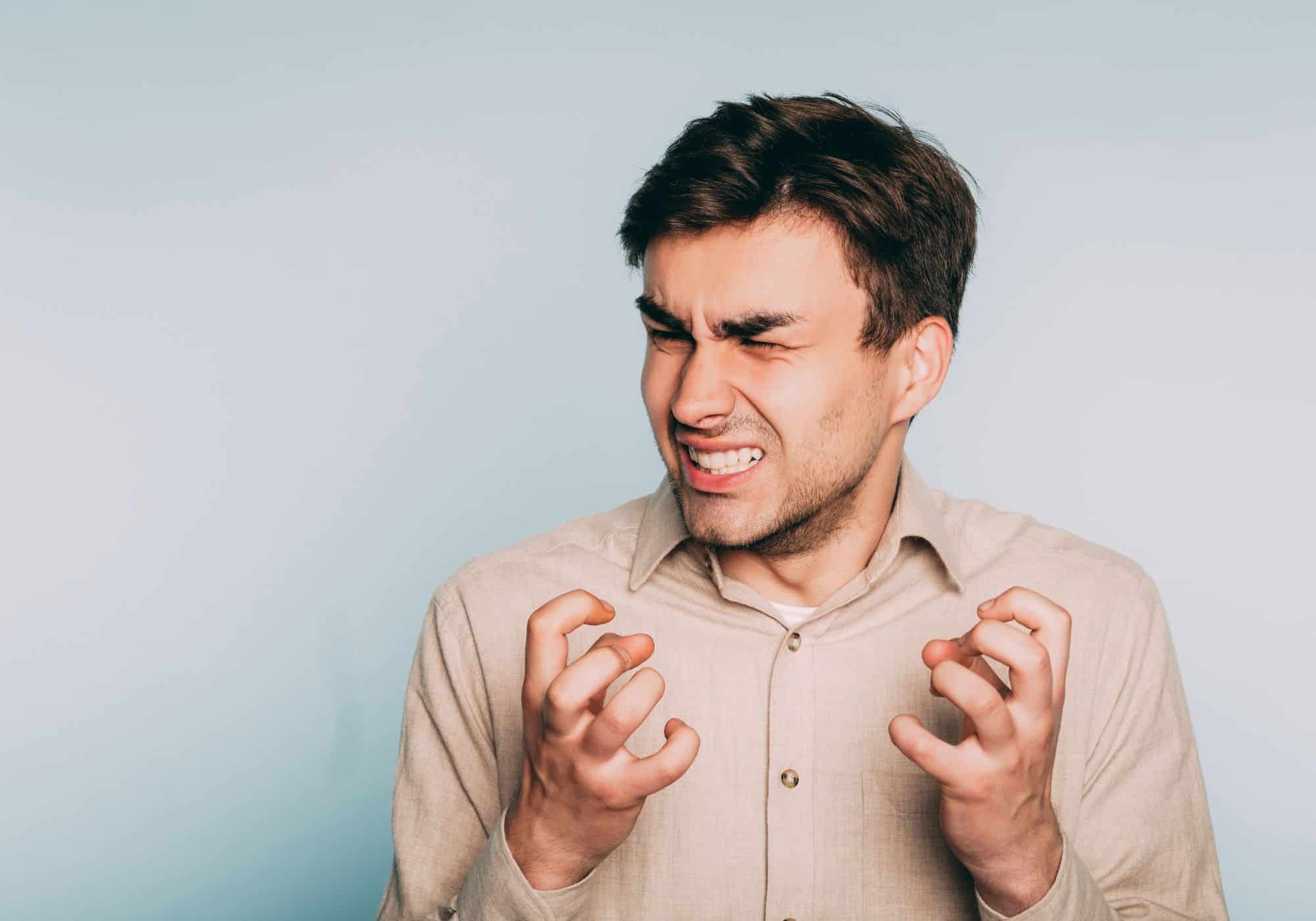
Most of us shrug off an irritating sound—maybe a squeaky chair or loud chewing—then move on with our day. When you have misophonia, that same noise can feel like an instant threat. Your pulse spikes, muscles tense, and an overwhelming wave of anger, panic, or sheer disgust hits before you even know what happened. Over time, dodging these triggers can fray friendships, strain family dinners, and limit where you feel safe. Understanding why your brain reacts this way is the first step toward reclaiming calm and rebuilding confidence around sound.
What Is Misophonia?
The literal misophonia meaning is “hatred of sound,” yet the disorder covers more than simple annoyance. In clinical circles it’s called Selective Sound Sensitivity Syndrome (4S). Everyday noises—chewing, breathing, pen clicking, keyboard tapping—fire up the brain’s alarm network as though danger is present. Neuro-imaging shows hyper-connectivity between the auditory cortex (where you process sound) and the amygdala plus anterior insula (regions that manage emotion and fight-or-flight). The result? Ordinary sounds trigger extraordinary stress.
While misophonia isn’t listed in the DSM-5, research links it to higher rates of anxiety, OCD, ADHD, autism spectrum disorder, and PTSD. Severity ranges widely: one person might bristle at gum-smacking only when tired, while another feels instant rage at any slurp or sniff. Left untreated, misophonia can erode work performance, academic focus, and intimate relationships—making even a simple lunch with friends feel risky.
What Causes Misophonia?
Researchers haven’t nailed down a single culprit, but evidence points to a mix of brain wiring, genetics, and environment. Functional-MRI studies show hyper-activity in the anterior insula—an area that links sound recognition to the body’s “danger” dashboard. That misfire floods the system with adrenaline, even when no real threat exists. Family patterns suggest a genetic component, especially when siblings or parents share the same sound aversions. Ear-related issues—tinnitus, hyperacusis, or partial hearing loss—may lower the threshold for sensory overload. Chronic stress, trauma, and disrupted sleep further tighten that coil, making everyday noises feel like the last straw. In short, misophonia likely arises when an already sensitized nervous system meets inherited wiring quirks and ongoing life pressure.
Conditions Similar to Misophonia
Accurate diagnosis matters because other disorders can look almost identical.
| Condition | Core Issue | How It Differs |
|---|---|---|
| Phonophobia | Fear of loud or sudden sounds (fireworks, balloons) | Rooted in anxiety, not rage; volume triggers more than repetition |
| Hyperacusis | Physical pain at normal sound levels | Driven by ear-nerve damage; reaction is discomfort, not anger |
| Sensory Processing Disorder | Over- or under-response to multiple senses | Includes light, touch, taste sensitivities, not just sound |
| Psychosis | Hallucinated sounds or voices | Perception of non-existent noises rather than over-reaction to real ones |
Because treatment paths vary—exposure therapy for phobias, auditory rehab for hyperacusis—seeing a clinician trained in sound disorders prevents wasted time and frustration.
Common Misophonia Triggers
Although each person’s list is unique, many triggers cluster into predictable groups:
- Eating & Drinking: chip crunching, gum popping, lip smacking, straw slurping.
- Breathing & Mouth: loud yawns, heavy sighs, sniffing, throat clearing, coughing, snoring.
- Repetitive Actions: finger drumming, pen clicking, heel bouncing, mouse scrolling, keyboard clacking, pen scratching.
- Environmental Sounds: clock ticks, water drips, car blinker clicks, fluorescent-light hum, air-vent whoosh, distant bass music.
Some individuals also react to visual cues—seeing someone chew or jiggle a leg can ignite the same cascade even in silence.
Symptoms of Misophonia
Misophonia symptoms span body, emotion, thought, and behavior. Recognizing all four domains helps craft a comprehensive coping plan.
Physiological
- Muscle tension or jaw clenching
- Chest tightness, racing pulse, flushed skin
- Goosebumps, sweating, stomach churn or nausea
Emotional
- Sudden anger, disgust, or rage
- Rising anxiety or urge to escape
- Feeling trapped, powerless, or ashamed
Cognitive
- Tunnel vision on the noise; loss of focus
- Self-criticism (“Why can’t I handle this?”)
- Blaming others for making the sound
Behavioral
- Covering ears, wearing headphones, or blasting white noise
- Snapping at or glaring at the noise-maker
- Storming out of rooms or avoiding entire venues
- In extreme cases, smashing the source object or yelling to stop the sound
Understanding which symptoms flare first—physical tension or angry thoughts—lets you intervene earlier and keep episodes from escalating.
Links Between Misophonia, OCD, and Other Mental-Health Conditions
Growing evidence shows misophonia rarely travels alone. In a campus study, 40 percent of students who met criteria for misophonia also carried a formal OCD diagnosis. Another 30 percent reported obsessive-compulsive traits without hitting full diagnostic thresholds. Anxiety and depression trail close behind: roughly 1 in 10 misophonia sufferers wrestle with clinically significant worry or sadness, often fueled by social avoidance and self-criticism. Neurodevelopmental disorders add another layer; autism spectrum disorder and ADHD each occur at roughly twice the rate seen in the general population. PTSD, borderline personality disorder, and substance-use issues likewise appear more frequently, possibly because chronic sound stress erodes coping reserves. These overlaps matter: treating OCD rituals or trauma flashbacks often reduces sound reactivity, whereas ignoring co-occurring concerns can stall misophonia progress. A whole-person assessment is therefore essential for lasting relief.
How to Cope with Misophonia
Lifestyle tweaks won’t cure 4S, but they can lower the volume—figuratively and literally—on daily distress.
- Track & Anticipate
Keep a pocket log of times, places, and noises that spark reactions. Patterns reveal when to pack earplugs or choose quieter seating. - Build a Sound-Safe Kit
Noise-canceling headphones, calming playlists, or portable white-noise machines let you reclaim control on the fly. - Practice Fast Calmers
Box breathing (inhale-4, hold-4, exhale-4, hold-4), 5-4-3-2-1 grounding, or progressive palm clench-release can dial back adrenaline within 60 seconds. - Communicate Early
A simple “I’m sound-sensitive—mind if we close the door?” prevents bottled frustration and educates friends instead of blaming them. - Protect Sleep & Nutrition
Adequate rest and balanced meals raise the nervous system’s tolerance, so minor noises stay minor. - Schedule Quiet Recharge
Plan daily blocks—reading in a silent room, walking in nature—to reset after noisy environments. - Seek Peer Support
Online misophonia forums and local meet-ups shrink isolation, offer work-around tips, and normalize your experience.
Treatment for Misophonia
A single approach rarely solves Selective Sound Sensitivity Syndrome. Most people get the best results by blending several evidence-based strategies that address body tension, anxious thoughts, and reflex brain wiring.
- Progressive Muscle Relaxation (PMR) – Daily 10- to 15-minute sessions of tensing and releasing muscle groups lower baseline arousal so trigger sounds strike a calmer body. Over weeks, many notice fewer adrenaline spikes and faster recovery after an episode.
- Cognitive Behavioral Therapy (CBT) – A therapist helps you spot catastrophic thoughts (“That chewing will drive me insane”) and swap them for balanced self-talk. Homework exercises build coping statements, improve emotional regulation, and shrink avoidance patterns that restrict daily life.
- Neural Repatterning Technique (NRT) – In structured sessions, low-level trigger noises are paired with pleasant stimuli—favorite music, guided imagery, or comforting scents—to retrain neural pathways. This method aims to weaken the automatic fight-or-flight surge and gradually make sounds feel neutral.
- Acceptance & Commitment Therapy (ACT) – ACT teaches mindful distance from uncomfortable sensations. You learn to notice the urge to flee or lash out, label it as a transient mental event, and then choose actions aligned with your values (friendship, productivity, self-care) instead of sound-driven reactions.
- Tinnitus Retraining Therapy (TRT) – With guidance from an audiologist, broadband generators deliver gentle background noise. Continuous exposure desensitizes auditory circuits and reduces limbic-system alertness, making real-world triggers less jarring over 6–12 months.
- Targeted Medication – While no pill “cures” misophonia, SSRIs can ease co-occurring anxiety or OCD, beta-blockers can calm adrenaline surges, and non-sedating sleep aids protect rest—each lowering overall reactivity. Medication works best when combined with therapy and coping skills.
- Supportive Practices – Mindfulness meditation, yoga, aerobic exercise, and balanced nutrition raise the stress threshold and enhance neuroplasticity, helping all the above interventions work more effectively. Joining peer groups (online or local) adds validation and practical tips.
A personalized blend—often PMR for body calm, CBT or ACT for mindset, and NRT or TRT for direct sound desensitization—offers the strongest chance of lasting relief.
Mental Health Treatment in Atlanta, GA
Although we don’t treat misophonia directly, our outpatient mental health program in Atlanta, GA specializes in the mental-health challenges that so often accompany 4S. Many clients turn to alcohol, stimulants, or sedatives to muffle triggers; we address that cycle head-on.
What We Provide
- Comprehensive Assessment – screens for OCD, anxiety, depression, PTSD, and substance use alongside sound sensitivity.
- Evidence-Based Therapies – CBT, Acceptance & Commitment Therapy, and Exposure & Response Prevention reduce compulsions, lower stress, and shrink avoidance.
- Medical Management – on-site providers fine-tune medications to balance mood and curb cravings without increasing sensory overload.
- Skills Workshops – mindfulness, communication, relapse prevention, and sleep hygiene bolster day-to-day resilience.
- Peer Support Groups – share strategies, celebrate wins, and relearn social confidence in a judgment-free space.
-
Flexible Scheduling – morning, afternoon, and evening tracks let you pursue healing while maintaining work or school.
Ready to turn down the noise on anger, anxiety, or addiction? Call Hooked on Hope Mental Health today at 470-287-1927 or fill out our online contact form for a free assessment and start crafting a calmer, healthier future.