


Are you often feeling on edge, overwhelmed by worry, or struggling with intense emotions? Do minor setbacks feel like major catastrophes, or do you find yourself dwelling on negative thoughts long after an event has passed? You might be experiencing the effects of neuroticism, a fundamental personality trait characterized by a heightened sensitivity to stress and negative emotions. While everyone experiences these feelings from time to time, individuals with high neuroticism experience them more frequently and intensely, impacting their relationships, work, and overall well-being. At Hooked on Hope Mental Health, we understand the profound challenges associated with neuroticism and offer comprehensive support to help you manage your emotions, build resilience, and lead a more fulfilling life.
Navigating the complexities of your inner world can be daunting, especially when anxiety and sadness feel like constant companions. The journey to understanding and managing neuroticism begins with recognizing its subtle yet powerful influence on your thoughts, feelings, and actions. It’s about empowering yourself with knowledge and effective strategies to transform your relationship with stress and negative emotions.
What Is Neuroticism?
Neuroticism is one of the “Big Five” personality traits, a widely accepted framework used by psychologists to describe the fundamental dimensions of human personality. It represents a pervasive tendency to experience negative emotions, such as anxiety, fear, sadness, anger, guilt, and irritability. It’s important to understand that neuroticism isn’t a mental health disorder itself, but rather a personality trait that exists on a spectrum. Everyone exhibits some degree of neurotic tendencies; it’s a part of the human experience. However, individuals high in neuroticism are more prone to perceive ordinary situations as threatening or overwhelming and may struggle more acutely to cope with stress effectively. They often possess a lower threshold for frustration and discomfort, meaning small irritations can quickly escalate into significant emotional distress.
The term neuroticism historically evolved from “neurosis,” a concept once used in psychology to describe various psychological and emotional abnormalities stemming from internal conflicts, primarily related to anxiety and distress without clear physical cause. While “neurosis” is no longer a formal diagnostic label in modern psychiatry, the concept of neuroticism remains profoundly relevant in understanding individual differences in emotional reactivity and vulnerability to mental health challenges. It helps us conceptualize why some individuals consistently react with greater emotional intensity to stressors compared to others. This trait is a key component in understanding our predispositions and how we interact with our environment.
Neuroticism vs. Mental Health Disorders
It’s crucial to clarify the distinction: neuroticism is a personality trait, not a mental health disorder. While a neurotic personality may present with various symptoms that could overlap with specific conditions, such as generalized anxiety disorder or major depressive disorder, these traits in themselves do not qualify as a distinct psychiatric diagnosis. Think of neuroticism as a foundational element of your emotional landscape, a predisposition that influences how you experience the world.
However, having a high degree of neuroticism does significantly increase an individual’s vulnerability to developing certain mental health disorders.
People scoring high on the neuroticism scale are at a higher risk of experiencing:
- Anxiety disorders: Including generalized anxiety disorder, panic disorder, social anxiety disorder, and specific phobias. Their heightened sensitivity to threats and worry predisposes them to these conditions.
- Depression and other mood disorders: The tendency to experience prolonged sadness, hopelessness, and emotional instability can lead to clinical depression or bipolar disorder.
- Obsessive-Compulsive Disorder (OCD): The inclination towards rumination and perfectionism often seen in neuroticism can feed into obsessive thoughts and compulsive behaviors.
- Substance Use Disorders: Individuals may turn to alcohol or drugs as a maladaptive coping mechanism to numb intense negative emotions or escape from chronic worry.
- Eating Disorders: Emotional dysregulation and self-criticism, common in high neuroticism, can contribute to unhealthy relationships with food and body image.
- Certain Personality Disorders: Particularly those characterized by emotional instability, impulsivity, or pervasive negative affect.
Despite this increased risk, it’s vital to reiterate that having a neurotic personality doesn’t automatically mean someone will develop a mental health disorder. Many individuals with high neuroticism navigate life successfully by developing effective coping strategies, building strong support systems, and engaging in self-care practices. Their heightened emotional awareness can even be channeled into strengths, such as empathy or meticulousness. The key lies in understanding one’s tendencies and actively working to manage them.
How Common Is Neuroticism?
Neuroticism is a widely distributed personality trait, meaning most people fall somewhere along its spectrum, from very low to very high. It’s not an unusual or rare characteristic. Studies have consistently shown that a significant portion of the global population exhibits moderate to high levels of neuroticism, making it a common aspect of human variability.
Research continually explores the demographic and life factors that correlate with higher levels of neuroticism. For instance, some studies suggest that individuals facing specific life circumstances may be more likely to score higher on neuroticism assessments.
These risk factors can include:
- Living alone: Social isolation can exacerbate feelings of loneliness and anxiety.
- Unemployment: Financial insecurity and lack of purpose can significantly contribute to stress and negative emotional states.
- Lower rates of education: Limited educational opportunities may correlate with fewer resources or coping strategies for life’s challenges.
- Aging: While some aspects of personality become more stable with age, the experience of aging can bring new stressors (health concerns, loss of loved ones, changing social roles) that might exacerbate neurotic tendencies.
- Being female: Research consistently indicates that females tend to score higher on measures of neuroticism than males. This is often attributed to a combination of biological (hormonal fluctuations) and societal factors (e.g., societal expectations regarding emotional expression, exposure to specific stressors). Many women may find their symptoms exacerbated by additional stress, such as the demanding responsibilities of managing life as a single mother, which can amplify feelings of overwhelm and worry.
- Trauma and adverse childhood experiences: Early life adversity, including abuse or neglect, is a powerful predictor of higher neuroticism later in life. These experiences can fundamentally alter an individual’s emotional regulation systems and their perception of safety in the world.
- Genetic predisposition: As discussed earlier, a significant portion of neuroticism is heritable, meaning it can be passed down through families.
Understanding these correlations helps in recognizing that neuroticism is not a personal failing, but rather a complex interplay of innate predispositions and life experiences.
Neuroticism & the Big Five Personality Traits
The Five-Factor Model, often referred to as the Big Five, is the most widely accepted framework in personality psychology for describing human personality. It posits that personality can be largely captured by five broad domains, with neuroticism being one of them.
The others are:
- Extraversion: This trait describes how outgoing, sociable, and assertive an individual is. People high in extraversion gain energy from social interactions and are often seen as enthusiastic and gregarious.
- Agreeableness: Individuals high in agreeableness are empathetic, cooperative, compassionate, and generally easy to get along with. They value harmony and are often altruistic.
- Conscientiousness: This trait refers to how organized, responsible, disciplined, and goal-oriented a person is. Highly conscientious individuals are meticulous and dependable.
- Openness to Experience: This dimension describes intellectual curiosity, imagination, creativity, and a willingness to try new things. People high in openness are often considered artistic and unconventional.
Each person possesses varying degrees of all five traits, creating a unique personality profile. While neuroticism specifically correlates with an increased susceptibility to negative emotional states, the interplay with other traits can significantly influence its manifestation. For instance, a highly conscientious individual with high neuroticism might express their anxiety through excessive perfectionism and self-criticism, constantly worrying about mistakes. In contrast, someone high in neuroticism but low in conscientiousness might experience anxiety as procrastination and a feeling of being overwhelmed by tasks. Specific behaviors, like constant rumination or perfectionism, are strongly associated with higher neuroticism, as individuals tend to dwell on potential flaws or past mistakes. In contrast, individuals who are more flexible, down-to-earth, or generally more agreeable will likely exhibit lower neuroticism, finding it easier to adapt and maintain emotional equilibrium.
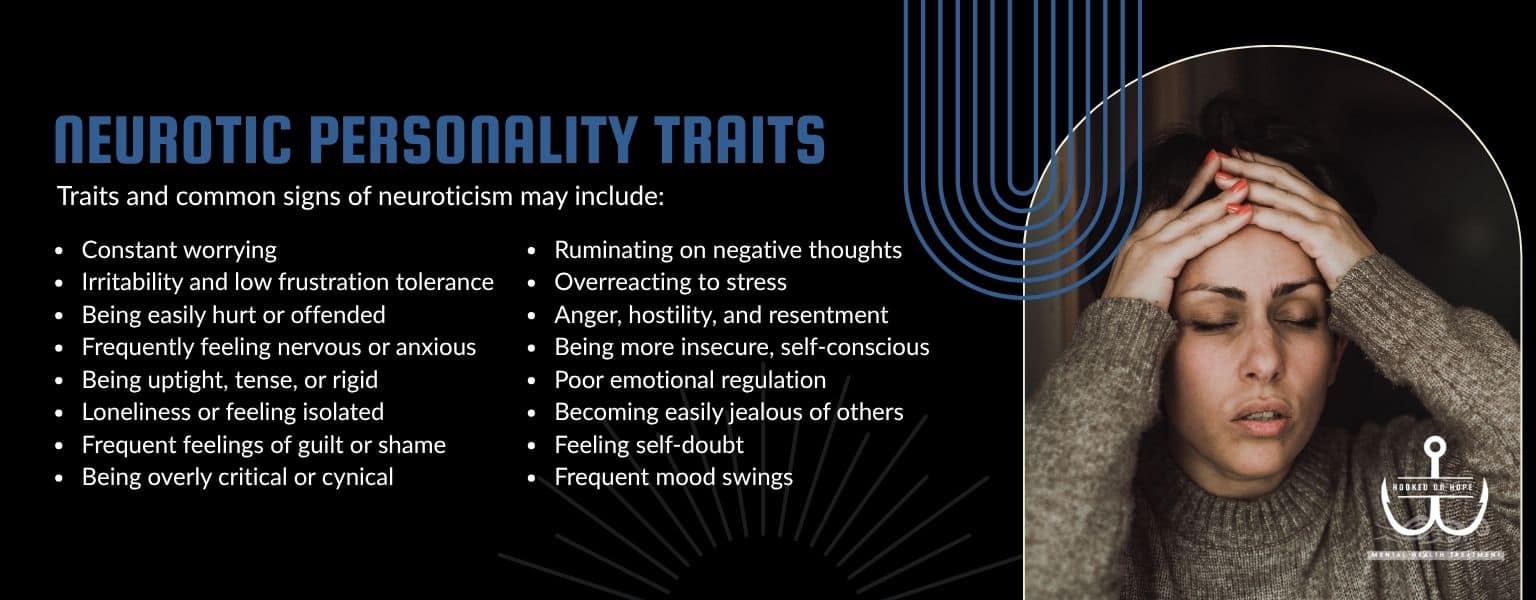
Neurotic Personality Traits
High neuroticism significantly contributes to the frequent and intense experience of negative feelings like fear, sadness, and anger. Individuals with a high neurotic personality often lack a robust set of healthy coping skills to manage stress, meaning they feel these challenging emotions more intensely and for longer durations than others. The intense internal experience of these emotions can lead them to respond to challenging situations in ways that are often destructive, impulsive, or maladaptive. They might lash out, withdraw, or engage in self-sabotaging behaviors, creating a cycle of negative reinforcement.
It’s important to remember that everyone experiences negative emotions. Even people low in neuroticism can still develop situational anxiety, depression, or anger issues in response to life events. However, for those with a strong neurotic personality, the effects are more related to the frequency, intensity, and duration of emotional responses rather than just the presence of emotions themselves. It’s about how their emotional system processes and reacts to stimuli.
Traits and common signs of neuroticism may include:
- Constant worrying: A pervasive feeling of dread about potential future events, often disproportionate to the actual threat.
- Irritability and low frustration tolerance: Easily annoyed or angered by minor inconveniences or perceived slights.
- Being easily hurt or offended: Taking criticism or innocent remarks personally, leading to feelings of being attacked.
- Frequently feeling nervous or anxious: A chronic state of unease, restlessness, or dread.
- Being uptight, tense, or rigid: Physical and mental rigidity, difficulty relaxing or adapting to change.
- Loneliness or feeling isolated: Despite wanting connection, their emotional intensity or behaviors might push others away, leading to a profound sense of solitude.
- Frequent feelings of guilt or shame: Over-responsibility for negative outcomes or constant self-blame, even when not warranted.
- Being overly critical or cynical: A tendency to find flaws in themselves, others, and situations, often leading to a negative outlook.
- Ruminating on negative thoughts: Obsessively replaying past mistakes, perceived injustices, or worries in their mind.
- Overreacting to stress: Experiencing disproportionately strong emotional responses to minor stressors.
- Anger, hostility, and resentment: Persistent feelings of bitterness or ill will towards others.
- Being more insecure, self-conscious, and self-critical: A constant focus on perceived flaws and a lack of self-acceptance.
- Poor emotional regulation: Difficulty managing and modulating the intensity and duration of their emotions.
- Becoming easily jealous of others: Insecurity leading to envy and possessiveness in relationships.
- Feeling self-doubt: A pervasive lack of confidence in their abilities, decisions, or worth.
- Frequent mood swings: Rapid and unpredictable shifts between different emotional states.
These traits collectively paint a picture of an individual who experiences the world through a more emotionally turbulent lens, constantly grappling with internal distress.
Common Neuroticism Examples
Examples of neuroticism generally show up in daily life and relationships, often subtly influencing interactions and decision-making. Some manifestations of neuroticism are more apparent, such as being overly critical of others, engaging in constant complaining, or using self-destructive coping mechanisms like excessive drinking or emotional eating. However, many expressions are more subtle and less noticeable to an outsider, yet deeply impactful on the individual, such as a pervasive focus on negative beliefs or rehashing painful life events.
Below are common examples of neurotic behavior that illustrate how this personality trait can impact daily functioning:
- Unhelpful internal responses to emotions: Instead of observing a negative emotion and letting it pass, they might become overwhelmed by it, leading to a spiral of distress. For instance, feeling a fleeting moment of sadness quickly escalates into a deep, prolonged depressive state.
- Fixating on negative or stressful aspects of a situation: Even in a generally positive event, a person with high neuroticism might zero in on one small flaw or potential problem, allowing it to overshadow the entire experience. They might dwell on a single critical comment received during an otherwise successful presentation.
- Discounting or “dampening” positive factors, experiences, or emotions: They may struggle to fully embrace or even acknowledge good things that happen to them. Receiving a compliment might be immediately dismissed with self-criticism (“They’re just being nice, I didn’t really do well”).
- Feeling upset or scared of emotions: The intensity of their own feelings can be frightening, leading them to suppress or avoid emotional expression, which ironically can make emotions more overwhelming. They might fear feeling sad because they believe it will lead to an uncontrollable breakdown.
- Recounting memories that feed into negative beliefs: They might frequently revisit past failures, embarrassments, or negative interactions, reinforcing their self-critical narratives (“I always mess things up,” “No one truly likes me”).
- Anticipating bad outcomes and creating a self-fulfilling prophecy: Their constant worrying can inadvertently lead to the very negative results they fear. For example, excessive anxiety about failing an exam might prevent them from studying effectively, leading to a poor grade.
- Being overly critical of self, others, and situations to find flaws, mistakes, or problems: This manifests as nitpicking, perfectionism, and an inability to be satisfied. They might constantly point out flaws in a project, not just to improve it, but as a reflection of their underlying anxiety about imperfections.
- Taking things too personally or interpreting everything as a personal attack: A casual remark from a colleague might be perceived as a deliberate insult, leading to hurt feelings and resentment.
- Becoming too rigid, controlling, or demanding when stressed: To manage their internal anxiety, they might try to control their environment and the people around them excessively, leading to conflict.
- Impulsive, destructive, or self-sabotaging responses when upset or stressed: This could include snapping at loved ones, binge eating, excessive spending, or turning to substances for immediate but ultimately harmful relief.
- Coping with stress and difficult emotions by using avoidance strategies: Instead of confronting a problem or expressing difficult feelings, they might procrastinate, withdraw socially, or simply ignore the issue, allowing it to fester.
- Going into a state of “collapse,” giving up, and becoming helpless: When overwhelmed, they might feel completely paralyzed and unable to act, exhibiting learned helplessness rather than seeking solutions.
How Neuroticism Affects Behavior
Neuroticism profoundly influences specific thoughts, feelings, and behavioral patterns. It describes an internal sequence of events in response to a perceived stressor or problem. While individual experiences can vary, those high in neuroticism often overreact to and internalize challenging situations, leading to distinct patterns of behavior.
- Exaggerated Negative Perception: A core component of neurotic tendencies is the inclination to downplay or “dampen” positive experiences or emotions. For instance, someone with high neuroticism may overlook numerous moments of happiness or success in a situation to instead exaggerate or highlight the single negative aspect. This skewed perception can lead them to view circumstances as more personal, stressful, or inherently dangerous than they objectively are, fostering a constant state of vigilance and anxiety.
- Internalization: People with high neuroticism are often highly self-conscious and prone to internalizing negative stress or situations. They tend to attach deep personal meaning or significance to external events, even when they are not personally responsible. This manifests as blaming or criticizing themselves excessively, fixating on their perceived weaknesses, or engaging in relentless negative self-evaluation. This internalization frequently leads to overwhelming feelings of shame, guilt, or helplessness, making it difficult to move past challenges.
- Rumination: A hallmark of neuroticism is persistent rumination on negative thoughts and feelings. Individuals may find themselves excessively fixating on worries, angry outbursts, upsetting memories, or perceived injustices. This cycle of repeatedly replaying distressing thoughts in their mind leaves them feeling these emotions more intensely and for prolonged periods, making it hard to find peace or mental clarity.
- Ineffective Response: Many neurotic individuals, in their struggle to cope with intense negative emotions, make choices that offer short-term relief but ultimately lead to negative long-term consequences. Rather than confronting a problem directly, they may resort to avoidance or withdrawal, allowing issues to fester. Some might externalize their negativity by initiating conflict, blaming others, or expressing hostility. Others turn toward destructive outlets like drugs or alcohol for immediate emotional relief, unwittingly creating a new set of problems like substance use disorder. These coping mechanisms, while providing temporary escape, prevent genuine emotional processing and problem-solving, perpetuating the cycle of distress.
How Neuroticism Affects Relationships
Neuroticism can make forming close, trusting, and healthy relationships with others incredibly challenging. The negative bias inherent in neuroticism often extends to how individuals perceive their partners and the relationship itself. They may perceive or exaggerate minor problems or disagreements in ways that provoke conflicts, creating an atmosphere of tension and insecurity.
- Appearing Easily Annoyed: People high in neuroticism typically have issues with emotion regulation. They tend to be more sensitive to negative stimuli and more easily irritated by everyday frustrations than others. They might have a smaller tolerance for minor difficulties, leading to frequent outbursts or passive-aggressive behavior that can strain relationships.
- Being Unreliable: While they may not intend to be unreliable, depending on an emotionally unstable person can be difficult for others. For example, someone high in neuroticism might cancel plans at the last minute due to anxiety, leave events early because of feeling overwhelmed, or fail to complete shared projects on time due to rumination or emotional paralysis. This can lead to others feeling let down or frustrated.
- Feelings of Guilt: Individuals with high levels of neuroticism often experience intense feelings of guilt or shame, particularly when their behaviors cause perceived harm to others. Sometimes, these feelings present without a direct, external cause, as in the case of depressive episodes or anxiety disorders. When something in their environment does trigger guilt, neurotic individuals feel their emotions far more intensely and for longer, making it difficult to forgive themselves or move past perceived transgressions.
- Poor Parenting Skills: Neuroticism is sometimes associated with uninvolved or overly controlling parenting styles. Parents prone to neuroticism can be more emotionally volatile, less patient, and less able to handle stressful situations without becoming overwhelmed. Because children require a lot of patience, consistent emotional regulation, and coaching, caregivers struggling with neurotic tendencies may use avoidance or dominance to cope, potentially leading to emotional neglect or overly strict environments for their children.
- Increased Conflicts: People with high levels of neuroticism often experience instability and frequent conflicts in their relationships. Their tendency to overreact, ruminate, and internalize issues means that disagreements can quickly escalate. One study found that such individuals often experienced poor self-esteem when encountering relationship conflict, indicating that less emotional stability makes individuals more likely to internalize fights, perceiving them as personal attacks or failures rather than opportunities for resolution. This can lead to a cycle of escalating tension and unresolved issues.
Complications of High Neuroticism
Ineffective responses to intense emotions generate a myriad of problems and long-term consequences. Without the proper tools and strategies to regulate emotions, neurotic individuals often find themselves cycling back into negative feelings and dysfunctional thought processes. This perpetual state of distress takes a significant toll on their overall well-being.
Unfortunately, these internalized beliefs and maladaptive behaviors can contribute to a range of serious, long-term complications. Highly neurotic individuals are at a statistically higher risk of developing chronic mood disorders, engaging in substance misuse, and experiencing consistently poor life satisfaction across various domains. The emotional and psychological burden can even manifest in physical health issues due to chronic stress.
Possible consequences of high neuroticism include:
- Low relationship satisfaction: Chronic conflict, emotional instability, and difficulties with trust often lead to strained relationships, frequent breakups, and a pervasive sense of loneliness.
- Physical health problems: Chronic stress associated with high neuroticism can manifest physically, contributing to conditions like heart problems, asthma, eczema, lowered immunity, irritable bowel syndrome (IBS), and chronic pain.
- Poorer response to health conditions and increased risk of mortality: The tendency to catastrophize and ruminate about health issues can lead to worse outcomes, and chronic stress negatively impacts the body’s resilience.
- Anxiety disorders: This includes generalized anxiety disorder, social anxiety, panic disorder, and specific phobias, driven by their heightened threat perception and worry.
- Mood disorders: Such as major depressive disorder, persistent depressive disorder, and an increased likelihood of experiencing depressive episodes.
- Obsessive-compulsive disorder (OCD): The perfectionistic and ruminative aspects of neuroticism can contribute to obsessive thoughts and compulsive behaviors.
- Substance use disorder: Alcohol use disorder and drug use disorder are common as individuals attempt to self-medicate their intense negative emotions and escape from chronic distress.
- Eating disorders: Emotional dysregulation and a focus on self-criticism can contribute to anorexia nervosa, bulimia nervosa, or binge eating disorder.
- Schizophrenia: While neuroticism is not a cause, it is recognized as a significant risk factor for the development of psychotic disorders, including schizophrenia.
- Certain personality disorders: Particularly those characterized by emotional instability (e.g., Borderline Personality Disorder) or avoidant tendencies.
- Poor work performance: Difficulty concentrating, anxiety, and interpersonal conflicts can hinder productivity and career progression.
- Lower life satisfaction: Despite achievements, a persistent negative outlook makes it difficult to find joy or fulfillment.
- Lowered rates of marital and relationship satisfaction: Their emotional reactivity and difficulty in coping can create persistent strain in intimate partnerships.
Can Neuroticism Be a Good Personality Trait?
While high neuroticism is often discussed in the context of its challenges, it’s important to acknowledge that emotions like fear, anger, and sadness are not inherently “bad.” These feelings serve as important signals, providing information about what one wants, needs, and cares about. In certain contexts, specific characteristics associated with neuroticism can indeed offer advantages.
A neurotic person, when they develop self-awareness and healthy coping mechanisms, can hone their emotional sensitivity to become more introspective and perceptive.
This heightened emotional radar can allow them to:
- Be more self-aware: Their tendency to internalize and ruminate can, with guidance, be transformed into deep self-reflection, leading to a profound understanding of their own motivations and needs.
- Be more detail-oriented and cautious: Their worry can translate into meticulous planning and a proactive approach to potential problems, making them excellent in roles requiring precision and risk assessment.
- Possess greater empathy: Because they experience emotions intensely, they may be better able to understand and connect with the emotional experiences of others.
- Be highly motivated to avoid negative outcomes: Their anxiety about failure can drive them to work harder and be more prepared, ensuring high performance.
While high neuroticism can undoubtedly damage well-being when unmanaged, healthy levels or skillfully channeled tendencies offer unique opportunities for introspection and growth. The key is to pause and consider what truly matters, transforming unproductive rumination on negative or self-critical thoughts into constructive problem-solving and self-compassion. This shift allows individuals to harness their emotional depth for personal insight and growth, rather than being consumed by it.
What Causes Neuroticism?
Experts have yet to identify a single, specific cause for neuroticism, as with most complex personality traits. Instead, it is understood to arise from a complex interplay of genetic, biological, social, and environmental factors. Research on neuroticism has identified that certain genes are closely related to this trait, suggesting a significant inherited component.
The role of genetics in personality development is strongest in childhood, providing a foundational temperament. However, environmental factors continue to significantly influence personality development and expression throughout adolescence and into adulthood. This means while you might be predisposed to neuroticism, your life experiences and how you learn to cope can profoundly shape its manifestation. Evidence does not necessarily show a consistent decrease in neuroticism with age, but positive traits like agreeableness and openness to experience may help individuals counteract neurotic tendencies by providing alternative coping mechanisms and perspectives.
Possible causes and contributing factors to neuroticism include:
- Trauma: People who experience trauma, chronic stress, and significant adversity—particularly when these events happen early in life—are more likely to develop neurotic personality traits and behaviors. These experiences can rewire the brain’s stress response system, making individuals more reactive to perceived threats.
- Genetic factors: Heritability for neuroticism is estimated to be between 50-60% through adolescence and early adulthood, indicating a strong genetic influence. This means if one or both of your parents exhibit high neuroticism, you have a greater chance of inheriting this predisposition. As someone ages, environmental influences can become more prominent, though the genetic foundation remains.
- Poor parental involvement: Research suggests a link between low parental involvement, neglect, or inconsistent parenting styles and higher rates of neuroticism in children. A lack of secure attachment or emotional support during formative years can impact a child’s sense of security and their ability to regulate emotions.
- Brain function: Highly neurotic individuals may show differences in brain activity and connectivity, particularly in regions associated with emotional processing, fear responses (like the amygdala), and executive control. For instance, some studies indicate lower “betweenness centrality” scores in certain brain regions, suggesting that the way these regions interact may influence neuroticism and emotional dysregulation.
- Climate and environment: Some evidence shows that certain environmental factors, such as living in hotter climates or areas with higher rates of natural disasters, may contribute to more experiences of mental health issues, including mood disorders, anxiety, and neurotic tendencies, possibly due to increased stress levels.
- Survival instincts: One study found neurotic individuals experienced higher levels of stress due to larger perceptions of threat, suggesting that their heightened emotional reactivity might be an exaggerated, though often maladaptive, remnant of a basic survival instinct to quickly identify and respond to danger.
Understanding these multifaceted causes highlights that neuroticism is not a simple choice but a complex interplay of biological predisposition and life experiences.

Neuroticism Treatment Options
The good news is that neuroticism is not an unchangeable fate. It responds effectively to treatment and can significantly improve with therapy, medication, or a combination of both. Professional guidance can help individuals learn to cope with challenging emotions, reduce the intensity of neurotic tendencies, and develop healthier patterns of thinking and behaving.
Professionals may prescribe medication to specifically treat co-occurring mental health disorders that are often linked to high neuroticism, such as depression or anxiety disorders. These medications can help stabilize mood and reduce the overwhelming nature of negative emotions, providing a foundation upon which therapeutic work can be more effective.
Therapy is a cornerstone of managing neuroticism. It offers a structured environment for individuals to explore and identify problematic thought and behavioral patterns, allowing them to make meaningful, lasting changes. You can start your journey by finding the right therapist who specializes in personality traits or related conditions. You can browse an online therapist directory or ask family, friends, or a primary care provider for referrals. Remember, neuroticism does not have to control your life—help is available to guide you toward greater emotional balance and well-being.
Therapies specifically effective for reducing neurotic tendencies include:
- Cognitive Behavioral Therapy (CBT): CBT is a highly effective therapy that focuses on helping you identify and change unhelpful thought patterns that feed into difficult emotions. By challenging cognitive distortions and developing more realistic perspectives, CBT helps you alter maladaptive emotional reactions and behaviors.
- Acceptance and Commitment Therapy (ACT): ACT encourages you to accept and experience difficult emotions without feeling overwhelmed or trying to suppress them. Rather than fighting your inner experiences, ACT teaches you to observe them with mindfulness. ACT also guides you to avoid emotion-driven responses by choosing actions that align with your core values, fostering psychological flexibility.
- Exposure Therapy: Primarily used for anxiety disorders but beneficial for neuroticism when avoidance is a key coping strategy. Exposure therapy helps people face feared situations or stimuli they previously avoided in a safe, controlled environment. This gradual, systematic exposure leads to a desensitized response, proving that feared outcomes often don’t materialize and helping to reduce the reliance on avoidance techniques.
- Dialectical Behavior Therapy (DBT): DBT is particularly helpful for individuals with intense emotional dysregulation, a common feature of high neuroticism. DBT coaches people to find more moderate ways of thinking and responding to thoughts and feelings by teaching crucial skills in four modules:
- Mindfulness: Learning to live in the present moment and observe thoughts and emotions without judgment.
- Interpersonal Effectiveness: Developing communication skills to navigate relationships healthily and assertively.
- Distress Tolerance: Learning to cope with intense emotions without resorting to destructive behaviors.
- Emotion Regulation: Understanding, accepting, and changing emotional responses that are unhelpful.
- Psychodynamic Therapy: This approach explores how unconscious patterns, rooted in past experiences and relationships (especially early childhood), contribute to current emotional difficulties. Understanding these underlying dynamics can help individuals gain insight into their neurotic tendencies and develop healthier ways of relating to themselves and others.
How to Deal With Neuroticism
Developing effective coping mechanisms for difficult emotions is key to interrupting internal processes that feed neuroticism, ultimately helping you feel more regulated and at peace. While dealing with neuroticism can sound daunting, making conscious changes to your approach to thoughts, feelings, and relationships can greatly improve your well-being and life satisfaction. It’s a continuous practice, but the effort yields significant results.
Below are nine practical tips for coping with neuroticism:
- Challenge Your Thinking: Actively challenge yourself to think differently about your life and circumstances. Acknowledge that negative appraisals, while automatic, emphasize things that generate feelings of sadness, anger, anxiety, or stress. Consciously practice positive reappraisal to counteract these emotions. For example, identify positive aspects you may have overlooked when struggling with stress. Consider less personal or catastrophic explanations for problems instead of immediately assuming the worst. Doing so can help reduce ruminative thoughts, allowing you to combat negative emotions as they arise before they spiral.
- Pay Attention to the Present Moment: Mindfulness involves consciously unhooking from unhelpful thoughts and bringing your full attention to the present moment. Regular mindfulness practice can significantly help reduce stress, improve coping abilities, and directly counteract neuroticism by training your mind to observe emotions without becoming overwhelmed by them. You can start a mindfulness routine by focusing on your bodily sensations, like your breath or the five senses. Pay deliberate attention to your surroundings, highlighting things you can see, touch, hear, smell, or taste. These simple exercises help you notice and observe negative emotions as temporary states, without becoming fixated on them or allowing them to dictate your reactions.
- Do the Opposite of What You Feel: This DBT skill encourages you to act counter to your immediate emotional urges when those urges are unhelpful. For instance, if you feel an intense urge to withdraw and isolate yourself due to sadness or anxiety, consider pushing yourself to get out of bed, engage in a planned activity, or call a friend. Following through with your plans for the day, even when your emotions are screaming otherwise, helps you understand that you are always in control of your actions, even when emotions feel intense and overwhelming.
- Focus on the Problem, Not the Emotion: Problem-solving approaches shift your attention from simply dwelling on intense emotions to actively addressing the source of a problem. Brainstorming solutions is far more productive than simply ruminating on the issue, which often perpetuates distress. When neuroticism takes over your mind, actively identify the specific cause of your stress. Consider which actions and responses directly address the root problem to determine the next concrete steps. If you cannot directly influence the outcome, focus on choosing an effective response that prevents the problem from worsening or helps you adapt healthily.
- Connect With Others: People with neurotic tendencies often have trouble forming and maintaining close relationships due to their emotional sensitivity, fear of rejection, or propensity for conflict. However, living a happy, fulfilled, and emotionally balanced life is impossible without healthy social connections. Actively work to improve your social interactions. Focus on what you want to convey in conversations rather than constantly worrying about how the other person will respond. Fine-tune your listening skills by truly paying attention to the feelings and needs of loved ones. Avoid making assumptions about their intentions when you feel defensive, and practice empathy.
- Start a Gratitude Journal: Practicing gratitude helps attune you to the present moment and allows you to direct your thoughts toward more realistic and positive patterns. Practicing gratitude can be as simple as listing three positive things in your life each day or as complex as engaging with guided daily prompts that encourage deeper reflection. Start a routine by choosing a specific time each day to practice, whether it’s first thing in the morning or before bed. Consistently practicing gratitude can gradually help you rewire your brain to notice positive aspects of life, thereby seeing positive changes to your neurotic thought patterns.
- Remember, Change Is Possible: Struggling with neurotic thought patterns can make your emotions feel incredibly intense and unmanageable, leading to a sense of hopelessness. When emotions take up this much space, it can be easy to become overwhelmed by the present moment and forget that things can improve. Reminding yourself that negative moments are temporary and that meaningful change in your emotional responses and outlook is possible may help you shift your perspective in a positive direction, fostering hope and motivation.
- Identify Your Triggers & Practice Stress Management: Knowing what people, places, situations, or even thoughts consistently trigger your neurotic thoughts and behaviors is a powerful step towards managing them effectively. Keeping a journal can help you track these patterns. Once identified, you can develop better ways to cope. For example, avoiding or minimizing exposure to specific triggers when possible may improve your well-being. When you cannot avoid these situations, practicing good stress management is about using effective and healthy coping mechanisms, such as deep breathing, progressive muscle relaxation, or engaging in a calming hobby.
- Learn to Regulate Your Emotions: Emotional regulation is sometimes challenging for people with high levels of neuroticism, but it’s a skill that can be learned and improved. Beneficial strategies can include structured breathing techniques (e.g., box breathing), grounding exercises (e.g., the 5-4-3-2-1 technique), or healthy distraction skills. A good rule of thumb is to have a variety of flexible techniques that you can deploy depending on the situation. For example, while a fifteen-minute meditation or breathing exercise might work well at home, a fidget toy, discreet stretching, or a mental problem-solving task may be best for navigating stressful work meetings or public situations. Building a diverse toolkit of emotional regulation strategies empowers you to manage intense feelings effectively, rather than being controlled by them.
Seeking Help for Neuroticism
If you are consistently struggling with the impact of high neuroticism on your daily life, relationships, or overall well-being, it’s essential to seek professional help. While it is a personality trait, its challenges are very real and can significantly diminish your quality of life. A qualified therapist or mental health professional can provide personalized guidance, support, and effective strategies to help you manage your emotions, improve your relationships, and enhance your overall well-being. At Hooked on Hope Mental Health, we offer compassionate and effective treatment for individuals struggling with neuroticism and related mental health challenges, providing a supportive environment where you can learn to thrive. Contact us today at 470-287-1927 or fill out our online contact form to begin your mental health treatment today.
Neuroticism Frequently Asked Questions
What exactly is neuroticism?
Neuroticism is a fundamental personality trait that describes a person’s tendency to experience negative emotions like anxiety, fear, anger, sadness, and irritability. It’s one of the “Big Five” personality dimensions.
Is being neurotic the same as having a mental illness?
No, neuroticism is a personality trait, not a mental illness. However, consistently high levels of neuroticism can increase a person’s vulnerability or predisposition to developing certain mental health disorders like anxiety disorders, depression, or substance use disorders.
What are the common signs of someone with a high neurotic personality?
Common signs include frequent worrying, chronic anxiety, mood swings, self-doubt, low frustration tolerance, being easily hurt or offended, sensitivity to stress, perfectionism, rumination on negative thoughts, and tendencies towards self-criticism or pessimism.
How does neuroticism impact personal relationships?
High neuroticism can strain relationships due to emotional volatility, difficulty trusting, jealousy, needing constant reassurance, heightened conflict, and sometimes even emotional unreliability or withdrawal. It can make forming and maintaining stable, healthy connections challenging.
What causes a person to be neurotic? Is it genetic?
Neuroticism is believed to be caused by a complex interplay of factors. Genetics play a significant role (it’s highly heritable), but environmental factors like early childhood experiences, trauma, parenting styles, and even brain function also contribute to its development.
Can neuroticism be changed or treated?
Yes, while it’s a stable personality trait, its negative impacts can absolutely be managed and improved. Therapy (such as CBT, DBT, ACT), and sometimes medication for co-occurring conditions, are highly effective in helping individuals learn coping skills, regulate emotions, and reduce neurotic tendencies.
What kind of therapy is best for dealing with neuroticism?
Therapies that teach emotional regulation, cognitive restructuring, and mindfulness are very beneficial. This includes Cognitive Behavioral Therapy (CBT), Dialectical Behavior Therapy (DBT), and Acceptance and Commitment Therapy (ACT). These approaches help individuals identify unhelpful thought patterns and develop healthier responses to stress.
Are there any positive aspects to being neurotic?
While challenging, some aspects can be beneficial. Individuals with higher neuroticism may be more self-aware, cautious, detail-oriented, and possess deeper empathy due to their intense emotional experiences. With management, these can be channeled into strengths like meticulousness or insightful introspection.
When should someone seek professional help for neuroticism?
It’s advisable to seek professional help if your neurotic tendencies significantly impact your daily life, relationships, work, or overall well-being. If you find yourself consistently overwhelmed, unable to cope, or experiencing symptoms of anxiety or depression, reaching out to a mental health professional can provide crucial support and strategies for managing the trait effectively.